


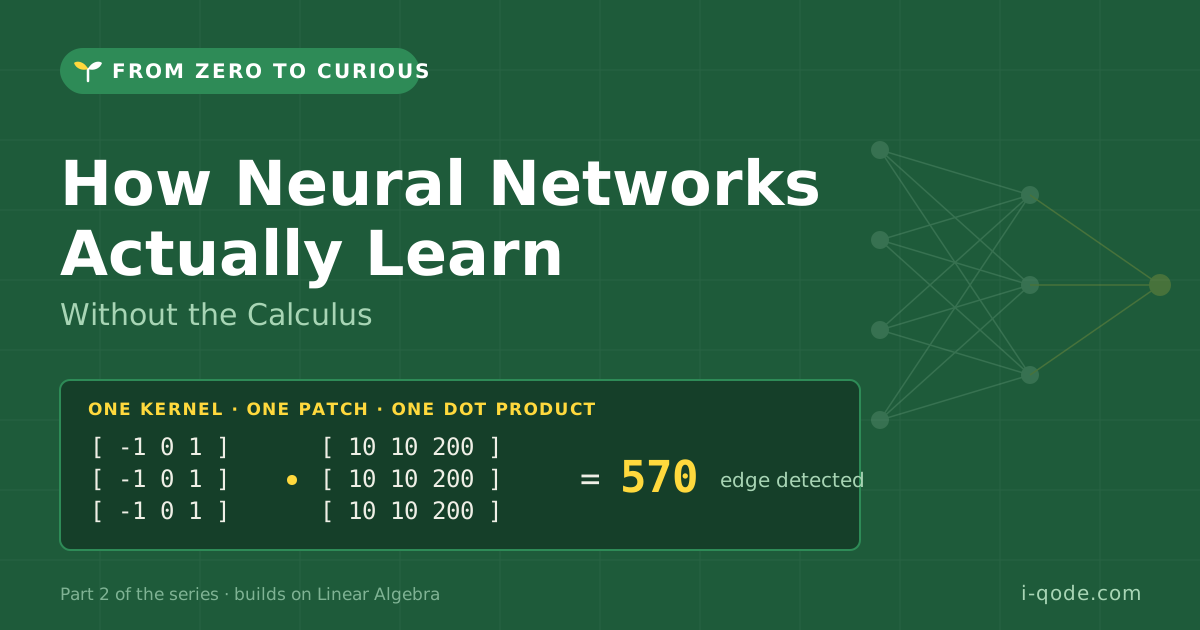
🌱 FROM ZERO TO CURIOUS | Beginner-Friendly | 9 min read How Neural Networks Actually Learn Without the Calculus (Mostly) No prerequisites. Just curiosity. The Hook: The Magic Trick You Use Every Day Your phone unlocks the moment it sees your face. Google Photos finds “beach” […]

🌱 FROM ZERO TO CURIOUS | Beginner-Friendly | 10 min read Linear Algebra The Hidden Engine of Computer Science and AI No prerequisites. Just curiosity. You’re Already Using It Open Instagram. The face filter that gives you bunny ears? Linear algebra. Ask ChatGPT a question? Linear […]
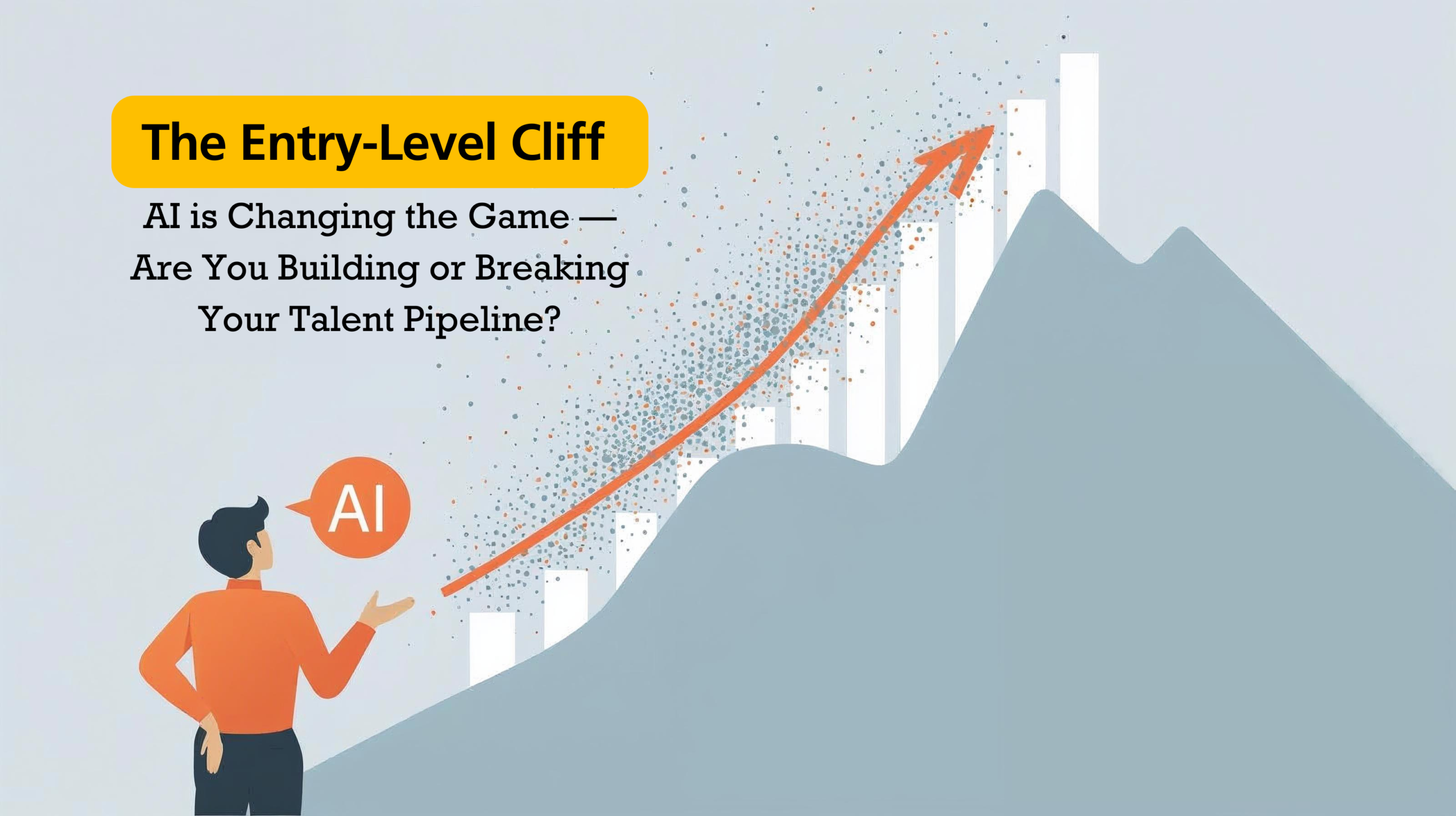
New data shows 21% of companies have already frozen entry-level hiring due to AI—and 47% expect to eliminate it by 2027. But talent leaders warn: cut junior roles today, and you’ll have no leaders tomorrow.
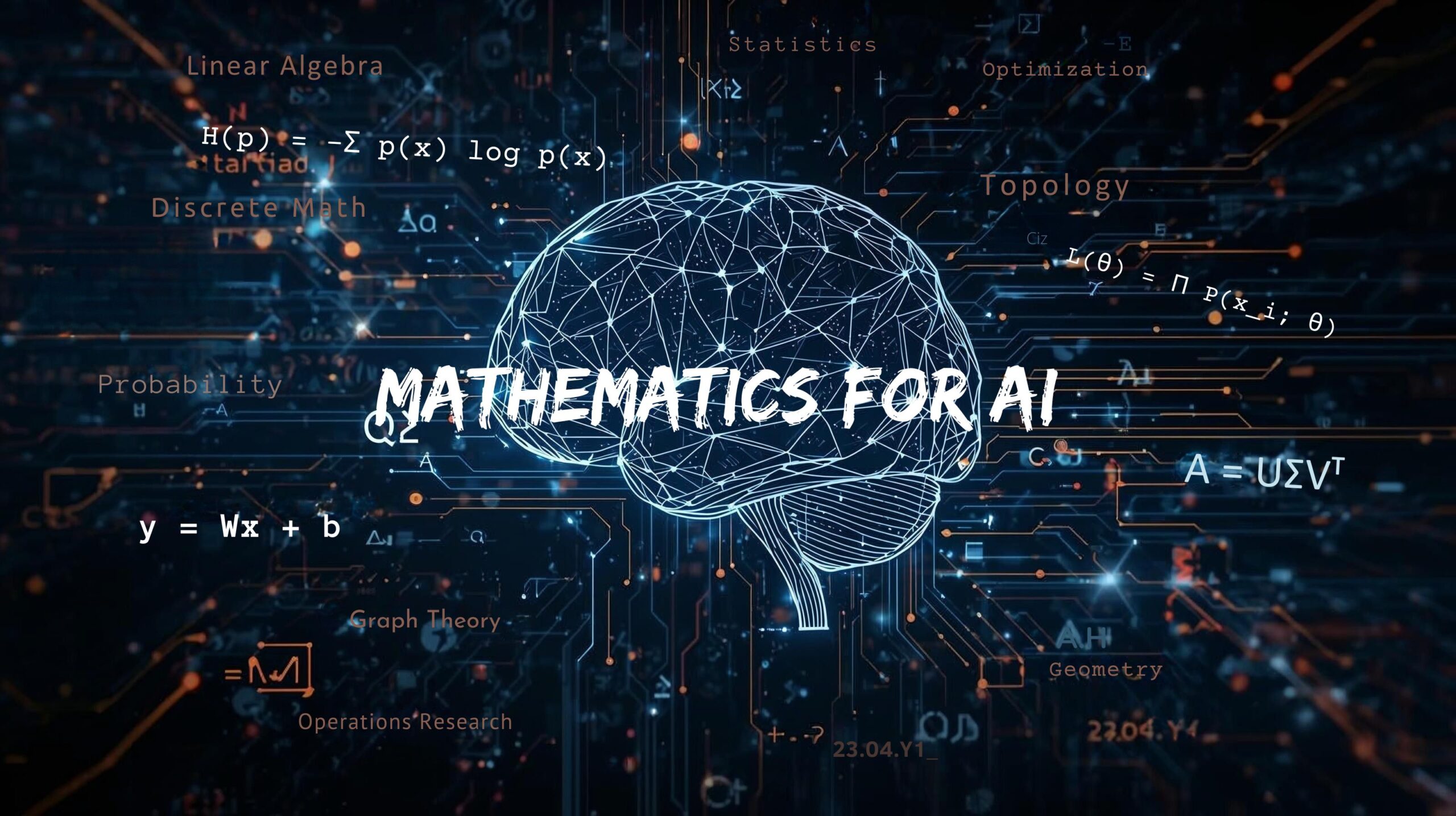
Move beyond using AI to truly understanding and innovating with it. This definitive guide breaks down the four essential mathematical disciplines—Linear Algebra, Calculus, Probability & Statistics, and Discrete Math—that form the core engine of modern artificial intelligence. Learn how these areas synergize for practitioners, architects, and leaders aiming to build the next generation of reasoning AI systems.

Your AI tools are ready, but your workforce isn’t. This AI execution crisis stalls ROI. Discover a strategic, growth-oriented guide to cultivate the human skills needed to build a truly future-ready organization.
Mathematics is the silent partner in every digital innovation. Our team reflects on its indispensable role in technology, from the algorithms behind AI to the cryptography that keeps us safe.

Is your organization stuck in a cycle of successful AI pilots that never scale? Discover how to break free by building an AI Factory—the strategic blueprint to industrialize, automate, and govern your AI development at an enterprise level.

Hidden costs and tech debt are stalling AI projects. Learn how to fix the core economics of AI development with a strategic framework for sustainable, high-ROI implementation.
Struggling with AI tools that promise productivity but deliver frustration? Discover the proven framework that solves the AI productivity paradox and transforms your team’s efficiency.
New 2025 research reveals a surprising trend: while 90% of developers now use AI tools, many teams are experiencing slower delivery times and increased review bottlenecks. Discover the data behind the AI productivity paradox and learn strategic solutions.